
Stop Pushing Paper, Start Making Moves
Break Free from Busywork and Learn How to Execute Purposefully
Either Get to Work or Get Out of My Way
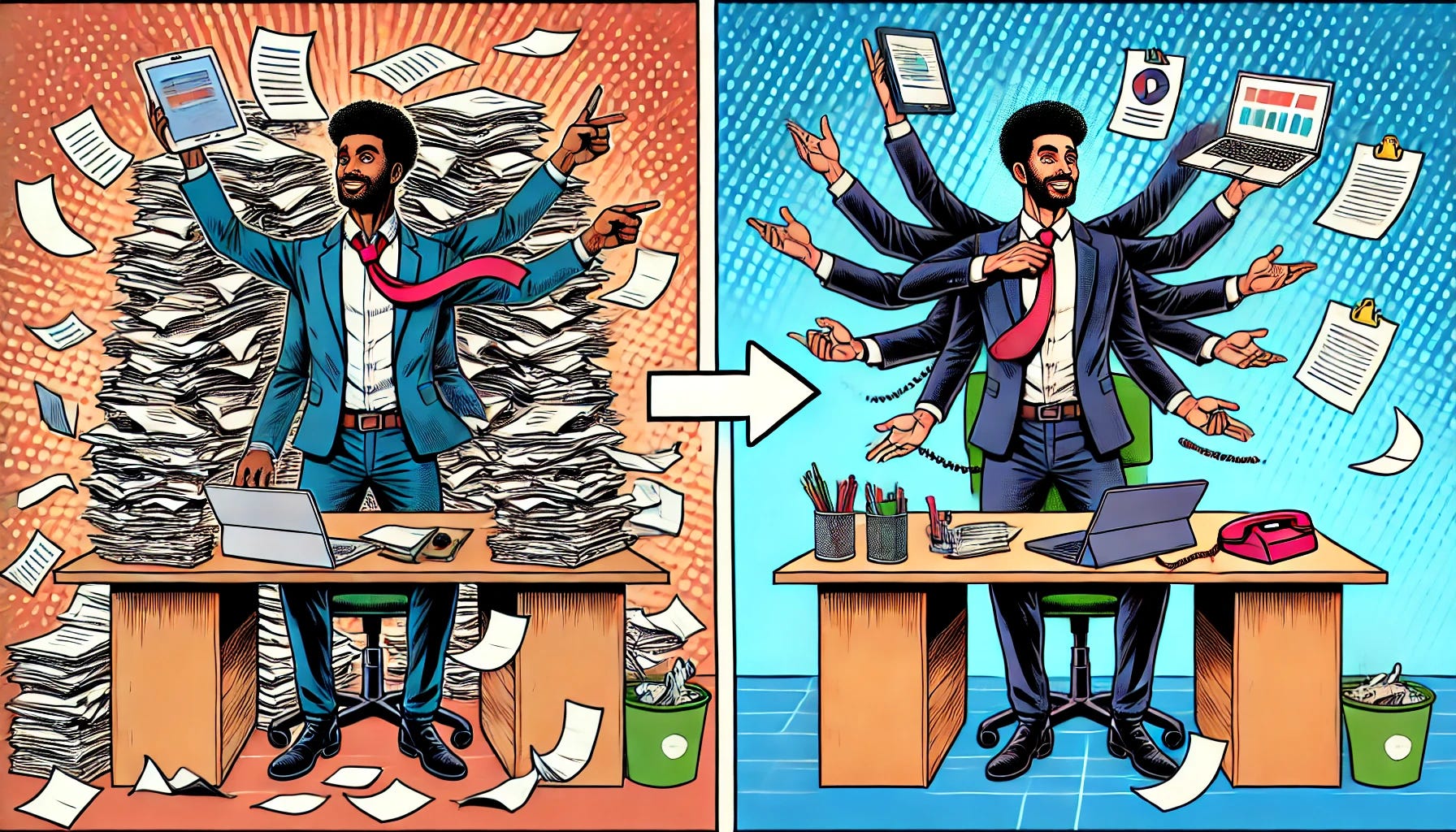
I hate paper pushers, HATE THEM. People who fill their days with tasks like updating timelines, sending follow-up emails, and scheduling meetings, yet somehow never seem to move anything forward. They don’t use their skills to solve problems; instead, they fall into the trap of transcribing, organizing, and task managing.
Execution isn’t about doing things; it’s about making an impact. As someone who values intelligence, I believe work should be driven by understanding and context. Real executors push for solutions, tackle challenging problems, and take responsibility for their contributions. Being busy doesn’t mean you’re moving the needle, but taking action, even if it doesn’t immediately result in success, means actively contributing to the bigger picture.
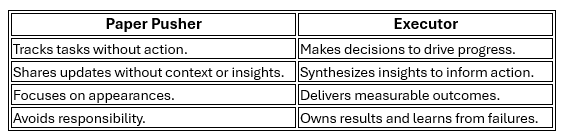
There is a fine line between activity and productivity. A paper pusher spends time updating timelines, scheduling meetings, and sending follow-up emails, but rarely is it impactful. On the other hand, an executor focuses on impact by taking initiative, overcoming obstacles, and pushing things forward. If you’ve fallen into the habit of paper pushing, don’t worry, it’s fixable. Breaking free requires a mindset shift and adopting actionable habits that ensure your work tangible outcomes.
Signs You’re Stuck in Paper Pushing
There are clear indicators that you are stuck pushing paper. You may find yourself waiting for others to provide direction rather than taking initiative, which delays progress and limits your ability to make an impact. A calendar packed with meetings might appear busy, but it leaves little time for meaningful work that ends with verifiable success. Tasks like drafting status reports or updating timelines can feel productive but often lack substance and fail to contribute to progress. Additionally, consistently following instructions without questioning assumptions or offering alternative solutions reflects a passive approach that avoids responsibility and stifles innovation. Recognizing these patterns is essential to breaking free from paper pushing and refocusing on work that makes a real difference.
You’re Always Waiting for Input: You avoid taking initiative until someone else provides direction.
Your Calendar is Your Work: You spend more time in meetings than executing tasks.
You Mistake Motion for Progress: Busywork (like status reports) feels productive but doesn’t create an impact.
You Default to Following Instructions: You rarely challenge plans, question assumptions, or innovate solutions.
"Paper pushing is the art of looking busy while doing nothing that matters." - Anonymous
Stop Spinning Your Wheels and Start Delivering Results
A key difference between paper pushers and executors lies in how they engage with their work. Paper pushers operate reactively, treating tasks as boxes to check or information as something to pass along without ownership. Executors approach their work proactively, using insights to identify opportunities, address challenges, and drive meaningful outcomes. This proactive mindset ensures that their efforts lead to progress rather than just the appearance of productivity.
Breaking the Habits of a Paper Pusher
Shifting away from paper-pushing habits involves adopting practices emphasizing accountability, clarity, and impact. The habits listed below guide transitioning to a more proactive and deliverables-oriented approach.
1. Shift to Outcome-Based Thinking
Paper pushers focus on process; executors focus on objectives. To break this habit:
Action Step: Identify the measurable outcome of each task before starting. Ask yourself, “What does success look like?”
Example: Instead of “Prepare a weekly report,” aim for “Deliver insights that help leadership make informed decisions.”
2. Own Your Decisions
Executors take responsibility for moving the project forward, even when it’s uncomfortable.
Action Step: Set a deadline for decisions. Avoid the trap of over-collecting input or deferring to others.
Example: If waiting for approval is holding progress, propose a solution and act unless explicitly told otherwise.
3. Close the Loop on Every Action
Paper pushers leave tasks open-ended, assuming someone else will follow up. Executors ensure completion.
Action Step: For every task, document the next step, owner, and deadline. Communicate updates proactively.
Example: Instead of emailing, “Let me know your thoughts,” propose next steps and set a timeframe: “If I don’t hear back by Friday, I’ll proceed with Option A.”
4. Solve Problems, Don’t Just Report Them
Paper pushers escalate issues without offering solutions. Executors take the first crack at solving them.
Action Step: Before raising a problem, brainstorm at least two potential solutions. Present options with pros and cons.
Example: “We’re over budget. I recommend cutting Feature X or renegotiating vendor rates. Which approach aligns with priorities?”
5. Developing Executor Habits
Weekly Habit:
Review your week’s tasks and ask, “What did I complete that directly impacted the project?”
Identify one task that could have been eliminated or delegated and commit to doing so next week.
Daily Habit:
Start each morning with your top three priorities that will move work forward.
End the day by noting unresolved risks or tasks and planning how to address them tomorrow.
Bringing It All Together
Execution is what separates impactful contributors from those who merely stay busy. Executors drive momentum, earn trust, and deliver measurable outcomes that lead to meaningful progress. In contrast, paper pushers get caught in cycles of low-value tasks that add little to no value.
The shift from paper-pusher to executor requires intention and discipline. By adopting habits that prioritize outcomes over activity, you can break free from busy work and focus on work that truly matters. Weekly reflections help identify areas for improvement, while daily prioritization ensures consistent progress.
The choice is yours: keep pushing paper or take ownership?